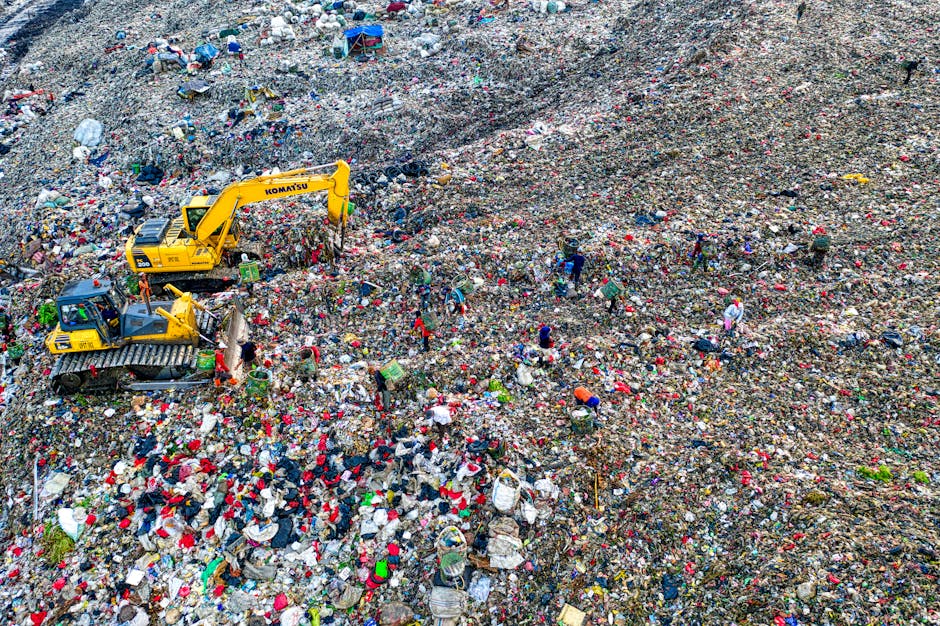
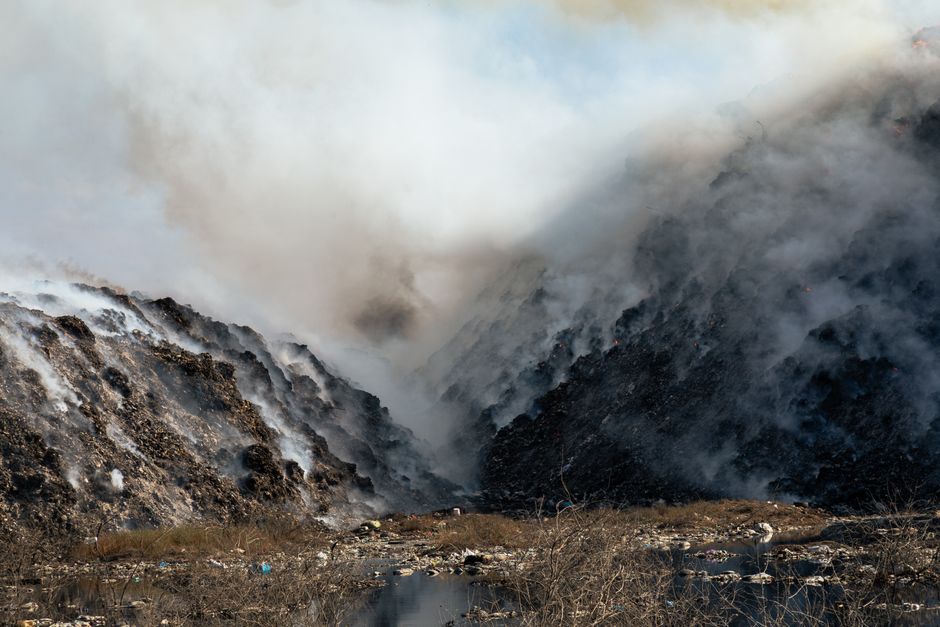
Avoid fines: West Ham hazardous waste disposal laws
If you are dealing with hazardous waste in West Ham, the stakes are not small. A missed label, the wrong container, or handing waste to the wrong carrier can quickly turn into a fine, a complaint, or a nasty bit of paperwork you never wanted in the first place. This guide on Avoid fines: West Ham hazardous waste disposal laws explains what counts as hazardous waste, how disposal should work in practice, and how to stay on the right side of UK rules without making the process harder than it needs to be. It is written for people who want clear answers, not legal fluff.
Whether you are clearing an office, finishing a renovation, or getting rid of old furniture with problematic contents, the safest approach is to slow down, identify the waste properly, and use the correct route. Truth be told, a lot of fines come from simple rush jobs. Let's keep you away from that mess.
Contents
- Why hazardous waste compliance matters
- How the disposal process works
- Key benefits of doing it properly
- Who needs this guidance
- Step-by-step guidance
- Expert tips for staying compliant
- Common mistakes to avoid
- Tools, resources and recommendations
- Law, compliance and best practice
- Options and comparison
- Real-world example
- Practical checklist
- Conclusion
- Frequently asked questions
Why Avoid fines: West Ham hazardous waste disposal laws Matters
Hazardous waste is not just "difficult rubbish". It is waste that can harm people, property, or the environment if it is handled badly. In West Ham, as across London and the UK, the law expects businesses and households to take reasonable care. That means identifying the waste, storing it safely, and passing it to someone who is authorised to deal with it.
Why does this matter so much? Because hazardous waste errors can create a chain reaction. One badly stored drum can leak. One unlabelled container can be refused. One dodgy collection can leave you unable to prove where the waste went. And if an inspection happens, you may be left explaining decisions you made in a hurry on a wet Tuesday morning. Not ideal.
For businesses especially, the risk is not only a fine. It can affect reputation, insurance, staff safety, and day-to-day operations. For households, the problem is often simpler but still serious: many people assume "the council will sort it" or "any skip company will do". Sometimes that assumption costs money.
Practical takeaway: the safest way to avoid fines is to treat hazardous waste as a compliance task first and a clearance task second.
How Avoid fines: West Ham hazardous waste disposal laws Works
The process usually follows a straightforward logic, even if the paperwork looks intimidating at first glance. You identify the waste, decide whether it is hazardous, store it correctly, arrange collection with the right carrier, and keep the records you need. The details matter more than the headline.
In everyday terms, that often means separating items such as paint tins, solvents, fluorescent tubes, batteries, oily materials, cleaning chemicals, aerosols, contaminated absorbents, and certain electrical items. Some of these are obviously risky. Others are only hazardous because of what is inside them or what they have been used for. A half-full tin of paint is not the same as a clean empty tin, for example. Small difference, big consequence.
For commercial premises, the process should also include internal checks. Who classified the waste? Who approved the handover? Was the carrier licensed or otherwise authorised to take it? Was the waste described accurately? If you cannot answer those questions quickly, you are already in a weak position.
If your waste stream is mixed, you may need a more structured approach. That is where a proper business waste removal service can help keep things organised, especially when the job involves multiple waste types and tight deadlines.
For bulky items, office contents, or awkward clear-outs, a broader waste removal arrangement can be more practical than trying to piece together several one-off solutions. To be fair, that alone can save a lot of stress.
Key Benefits and Practical Advantages
Following the rules is the obvious reason to do this properly, but the practical benefits are just as useful.
- Lower risk of fines and enforcement action because the waste is handled and documented correctly.
- Better site safety for staff, tenants, tradespeople, and visitors.
- Fewer collection delays since compliant waste is less likely to be rejected.
- Cleaner audit trail for businesses, landlords, and managing agents.
- Less accidental contamination of recyclable or non-hazardous waste.
- More predictable costs because last-minute corrections usually cost more than proper planning.
There is also a quieter benefit: peace of mind. When you know the waste is labelled, separated, and being dealt with properly, the whole job feels lighter. You can move on with the rest of the project instead of wondering what might come back to bite you later.
For offices, a compliance-first approach often sits nicely alongside other planned clearances, like an office clearance or a broader refurbishment clean-out. If hazardous items are present, keep them separate instead of letting them disappear into the general pile. That tiny discipline makes a big difference.
Who This Is For and When It Makes Sense
This guidance is relevant if you are a landlord, office manager, facilities lead, builder, shop owner, tenant, homeowner, or anyone who has just uncovered a suspicious-looking pile in the corner. That pile could be old chemicals, contaminated building materials, or simply mixed waste that needs sorting before it leaves the property.
It is especially useful in situations like these:
- post-refurbishment clean-ups with leftover sealants, adhesives, or paint
- office moves where batteries, printer cartridges, and cleaning products have accumulated
- garage clearances with old tins, automotive fluids, or unknown containers
- garden projects involving pesticides or chemical treatments
- house clearances where stored household chemicals need careful removal
- builders' jobs with contaminated materials or waste that must not be mixed into normal rubble
If the job involves a property clean-out, it may be worth looking at house clearance or home clearance services where hazardous items can be isolated from the start. For smaller domestic spaces, flat clearance can be helpful when access is tight and waste needs careful handling.
When the issue is more about old fittings, broken items, or contaminated furnishings, a targeted approach such as furniture disposal may be relevant, especially if pieces contain materials that should not be dumped casually. Sometimes what looks like "just a sofa" is not quite so simple.
Step-by-Step Guidance
Here is the safest practical route. It is not fancy, but it works.
- Identify the waste. Check labels, containers, contents, and any signs of contamination. If you do not know what it is, do not guess wildly.
- Separate hazardous from non-hazardous waste. Keep batteries, chemicals, oils, solvents, contaminated cloths, and similar materials apart from ordinary rubbish.
- Store it safely. Use suitable containers, keep lids on, avoid heat sources, and prevent leaks or spills.
- Check the duty of care. Make sure the person collecting or handling the waste is appropriate for the job and can take it legally.
- Document everything. Keep a clear record of what was removed, when, and by whom. A simple log can save a lot of trouble later.
- Arrange the right collection. Use a service that understands hazardous waste and can work around your property, access, and scheduling needs.
- Confirm final disposal. Ask for the paperwork you need to show the waste was passed on correctly.
A small but useful habit: take a quick photo inventory before anything leaves site. It sounds slightly overcautious, maybe even a bit dull, but it can help if there is later confusion over what was collected.
If the waste is part of a larger property clearance, combine it with other sensible work. For example, a loft clearance often uncovers old tins, insulation offcuts, and forgotten containers; a garage clearance may reveal chemicals tucked behind tools; and a builders waste clearance job can throw up contaminated debris that needs separate handling. Better to sort early than play detective later.
Expert Tips for Better Results
In our experience, the jobs that go smoothly are the ones where the planning happens before the van arrives. That is the real trick.
- Label containers clearly. "Unknown liquid" is not a helpful description. If you can identify the product, write it down.
- Do not mix waste streams. One contaminated bag can complicate the lot.
- Keep hazardous waste dry and secure. Rainwater in a container turns a simple issue into a mess very quickly.
- Use one point of responsibility. Someone should own the process from start to finish.
- Plan access early. Narrow stairwells, basement steps, and awkward parking can matter more than people expect.
- Ask for proof of handling. A proper paper trail is boring in the best possible way.
One more thing: if you are unsure whether an item is hazardous, treat it cautiously until it is checked. That simple pause often prevents the biggest mistakes. And yes, it can feel a bit over the top in the moment. But the alternative is usually more expensive.
For businesses with regular collections, aligning hazardous waste handling with broader business waste removal routines can make compliance part of normal operations rather than an emergency chore. That is where real efficiency comes from.
Common Mistakes to Avoid
Most fines do not happen because someone was trying to cause problems. They happen because of shortcuts, assumptions, or missing records. Annoying, but very human.
- Assuming a waste item is non-hazardous without checking. A container can look harmless and still need special handling.
- Using the wrong carrier. Not every clearance company is set up for hazardous materials.
- Mixing hazardous and general waste. This is one of the quickest ways to create a compliance headache.
- Leaving waste unsecured on-site. If it spills, leaks, or becomes accessible to others, the risk jumps immediately.
- Skipping records. If you cannot show what happened to the waste, you have less protection if questioned.
- Waiting until the last minute. The last minute is where errors breed. There is always one item nobody remembered, isn't there?
If the waste is part of a property clearance, another common issue is treating furnishings and fittings as automatically safe. A roomful of old items can hide batteries, aerosols, solvents, fluorescent tubes, or cleaning products. That is why services like furniture clearance and furniture disposal can be useful only when paired with proper segregation of hazardous content.
Also worth saying: do not let one awkward item derail the whole plan. Put it aside, note it, and deal with it correctly rather than forcing it into the wrong stream.
Tools, Resources and Recommendations
You do not need a giant toolkit to manage hazardous waste well. What you need is a tidy process and a few practical aids.
- Clear labels and marker pens for identifying containers and bundles.
- Seal-able bins or drums suitable for the type of waste being stored.
- Basic inventory sheets to track items, quantities, and collection dates.
- Spill containment materials where liquid waste is involved.
- PPE such as gloves and eye protection where appropriate.
- Photography on a phone for record-keeping, if your process allows it.
For one-off jobs, a good starting point is to pair a hazardous waste plan with a general clearance plan. If you are clearing an office, you may need office clearance alongside the compliant removal of batteries, toners, or old cleaning products. If the job is domestic, a broader waste removal arrangement can handle the non-hazardous materials while the hazardous items are kept separate.
Some readers also like to review the company pages on health and safety policy and insurance and safety before booking any collection. That is sensible. A provider who thinks carefully about safety is usually easier to trust with awkward waste.
Law, Compliance, Standards, or Best Practice
Without turning this into a legal lecture, the key point is simple: hazardous waste must be managed with care, and responsibility does not disappear just because someone else collects it. The duty to classify waste correctly, store it safely, and transfer it to an appropriate handler is central to good practice.
In the UK, hazardous waste is generally expected to be segregated, described accurately, and passed on in a way that creates a traceable chain of responsibility. For businesses, that often includes keeping internal records and checking that the waste transfer process is properly documented. For domestic jobs, the principle is similar even if the paperwork is lighter: do not let unknown or dangerous waste disappear into a general load.
Best practice usually includes:
- clear identification of the waste type
- safe storage before collection
- separation from general rubbish
- use of competent, authorised waste handlers
- retained records where required
If you are unsure, do not improvise. Ask for clarification before collection day. That is not weakness; that is decent management. The people who get into trouble tend to be the ones who wave through the problem and hope nobody notices.
For site-sensitive or higher-risk jobs, choosing a provider that shows attention to compliance and safety is usually worth more than chasing the cheapest quote. You can review pricing and quotes alongside the service scope so you know exactly what is covered and what is not.
Options, Methods, or Comparison Table
Not every waste problem needs the same solution. Here is a simple comparison to help you choose the right approach.
| Option | Best for | Pros | Watch-outs |
|---|---|---|---|
| Separate hazardous waste handling | Small, clearly identified hazardous items | Good control, easier compliance, cleaner records | Requires careful sorting and storage |
| Mixed waste clearance with segregation | Office moves, refurbishments, larger domestic clear-outs | Efficient for larger jobs, less disruption | Needs strong on-site sorting discipline |
| Specialist collection for risky items | Batteries, chemicals, contaminated materials, liquids | Higher confidence on compliance and handling | May require more planning and clearer descriptions |
| Full property clearance | Households or sites with mixed clutter and waste | Convenient, time-saving, less coordination | Hazardous items still need to be called out separately |
In practice, the best option is often the one that reduces uncertainty. If the waste list is short and clear, a targeted collection makes sense. If the property is full of mixed items, a broader clearance with good segregation may be easier to manage. There is no prize for making it complicated.
Case Study or Real-World Example
A small business in West Ham has just finished a late-night office refresh. By the end of the job, there are old toner cartridges, batteries, a few tins of paint from the decorating crew, some general waste bags, and a dusty box of cleaning chemicals that nobody wants to touch. The team is tired, the corridor smells faintly of paint, and everyone wants to go home.
At that point, the easy mistake would be to treat everything as one load. But the safer approach is to split the waste into groups: general rubbish, recyclable items, and hazardous items. The hazardous materials are then kept sealed, labelled, and listed separately before collection. The office manager keeps a simple record and checks that the collection route is suitable.
The result? No panic call the next day, no question marks over what was collected, and no awkward scramble for paperwork. The job looks a little more careful, yes. But it feels calm. That matters.
A similar approach works for residential jobs too. A family clearing out a garage might find old paint, car fluids, and a broken fluorescent light fitting. That does not mean the whole clearance becomes a compliance nightmare. It just means the risky items get special attention before the rest of the load goes through normal channels.
Practical Checklist
Use this before any hazardous waste leaves your property.
- Have you identified every item that may be hazardous?
- Are hazardous items separated from general waste?
- Are containers sealed, stable, and clearly labelled?
- Is the storage area dry, secure, and away from heat or damage?
- Do you know who is responsible for the waste on-site?
- Have you checked the collection method and service scope?
- Will you keep records, photos, or transfer notes where needed?
- Have you confirmed access, parking, and timing for collection day?
- Are any staff, residents, or visitors protected from the waste area?
- Have you double-checked that nothing unknown has been mixed into the load?
If you can tick most of those off, you are already in a much safer position than many people who try to wing it. Not glamorous, but effective.
Get a free quote today and see how much you can save.
Conclusion
Avoiding fines is not about becoming a waste law expert overnight. It is about steady, sensible habits: identify the material, separate it properly, store it safely, and make sure the handover is documented. That simple rhythm protects you from the most common problems and gives you a far better chance of a smooth clearance.
In West Ham, where properties, access routes, and project types vary a lot, a practical approach is usually the winning one. Whether you are clearing an office, garage, loft, flat, or whole property, the real aim is the same: keep the hazardous stuff controlled and the rest of the job moving.
If you take nothing else from this guide, take this: do not rush the dangerous bit. A few extra minutes at the start can save you hours of headache later. And honestly, that is a pretty fair trade.
Frequently Asked Questions
What counts as hazardous waste in a West Ham property clearance?
Hazardous waste can include chemicals, paints, solvents, batteries, oils, contaminated absorbents, aerosols, fluorescent tubes, and other items that can harm people or the environment if handled badly. The exact classification depends on the item and its condition, so if you are unsure, treat it cautiously and separate it from general waste.
Can I put hazardous waste in a general rubbish bag?
No, that is one of the fastest ways to create a compliance problem. Hazardous items should be separated, identified, and stored appropriately before collection. Mixing them with general rubbish can make the whole load more difficult to handle and may expose you to fines or refusal of service.
Do businesses have stricter duties than households?
Generally, yes. Businesses usually have clearer record-keeping and duty-of-care expectations because they generate waste as part of trading activity. Households still need to be careful, but businesses are more likely to be asked to show documentation and demonstrate responsible handling.
How do I know if a clearance company can take hazardous waste?
Ask directly before booking. A suitable company should explain what it can and cannot take, what needs to be separated, and how it handles compliance. If the answer feels vague, that is a warning sign. Clear answers are what you want here.
Will hazardous waste always cost more to remove?
Often it does, because special handling, storage, and compliance controls may be needed. The exact cost depends on the type of waste, the amount, and how complex the collection is. A proper quote is the best way to understand the likely cost before anything is moved.
What records should I keep after disposal?
Keep anything that shows what the waste was, when it was removed, and who handled it. For businesses, that may include waste transfer notes or related paperwork. Even for smaller jobs, a photo log and collection record can be helpful if questions come up later.
What if I find old chemicals during a house clearance?
Do not open random containers or pour anything away. Keep the items upright, sealed if safe to do so, and separate from other waste. Then arrange a suitable collection route. This is exactly the sort of situation where a careful house clearance plan helps prevent panic.
Are batteries and light tubes really that important?
Yes, because they can leak, break, or contaminate other waste if ignored. They may seem small and harmless, but small items often cause the biggest sorting mistakes. They are easy to miss, too, which is why a final walkthrough matters.
Can I combine builders' waste with hazardous items?
Only if the hazardous items are identified and managed properly, and the service is set up for that kind of work. In many cases, builders' rubble, timber, and general debris can be handled separately from the risky items. A dedicated builders waste clearance arrangement can make that split much easier.
What is the safest first step if I am not sure what I have?
Pause and separate the item from the rest of the waste. Check for labels, warning signs, or obvious contamination. If it still seems unclear, seek a professional collection route rather than guessing. That one pause can prevent a lot of trouble.
How can I make a bigger clearance less stressful?
Break the waste into categories before collection day, confirm access and timing early, and keep hazardous items isolated. For larger jobs, pairing hazard control with a broader clearance service such as waste removal can simplify the whole process without cutting corners.
Where can I learn more about the company policies behind a safe collection?
You can review the site's about us page, plus its health and safety policy, insurance and safety, and recycling and sustainability pages to understand how it approaches responsible work.
What should I do if a clearance is urgent?
Stay calm and prioritise segregation. Urgency is not a reason to skip the basics. Even if the timeline is tight, you should still identify hazardous items, keep them apart, and use a compliant route for removal. Rushing is how simple jobs become awkward ones.