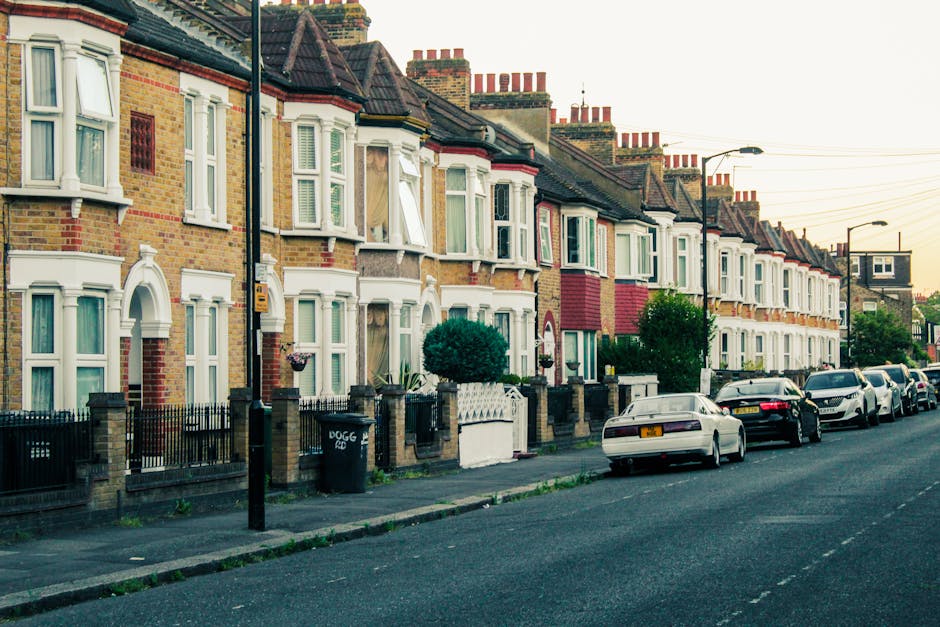
Estate clearance after tenancy in West Ham: landlord tips
If you manage a rental in West Ham, estate clearance after a tenancy can feel like the awkward bit nobody really wants to deal with. The tenant has moved out, the keys are back, and now you are left with whatever they didn't take: a sofa with a broken leg, a half-empty wardrobe, bags of mixed rubbish, maybe a few items that look like they should be kept, but aren't. Estate clearance after tenancy in West Ham: landlord tips is really about handling that handover quickly, fairly, and without creating more hassle than the situation already has. Done well, it protects the property, keeps the next tenancy on track, and saves you money in the long run.
In this guide, you will find a practical landlord-focused approach: what estate clearance actually covers, how to plan it, what to watch for, and how to avoid the classic mistakes that turn a simple clearance into a time sink. To be fair, the tricky part is rarely the lifting. It's the admin, the judgement calls, and the timing.
Contents
- Why estate clearance after tenancy matters
- How the clearance process works
- Key benefits and practical advantages
- Who this is for and when it makes sense
- Step-by-step guidance
- Expert tips for better results
- Common mistakes to avoid
- Tools, resources and recommendations
- Law, compliance, standards, or best practice
- Options, methods, or comparison table
- Case study or real-world example
- Practical checklist
- Conclusion
- Frequently asked questions
Why Estate clearance after tenancy in West Ham: landlord tips Matters
After a tenancy ends, the property often contains more than just dust and a few forgotten coat hangers. There may be bulky furniture, food waste, damaged household items, clothes, broken appliances, or rubbish left in cupboards and loft spaces. For landlords, the real issue is not just tidiness. It is speed, safety, and getting the home ready for inspection, repair, and re-letting without delay.
In a busy London rental market, even a short delay can throw off your schedule. A missed clearance can mean cleaners cannot start, decorators cannot quote properly, and viewings get pushed back. A stale smell from old food or damp fabric does not help either. You notice it straight away when you open the door.
West Ham properties can vary a lot too: purpose-built flats, converted terraces, shared houses, compact studios. That means estate clearance after a tenancy is rarely one-size-fits-all. A ground-floor flat with easy access is very different from a third-floor walk-up where the stairs are narrow and the lift is out. Good planning matters.
There is also the question of accountability. If you do not document what was left behind, you can end up with disputes over deposit deductions, abandoned belongings, or whether items were genuinely tenant waste. Clear records help. Not glamorous, but very useful when the conversation gets tense.
Practical takeaway: treat post-tenancy estate clearance as part of the re-let process, not as a last-minute tidy-up. The earlier you plan it, the easier the whole turnaround becomes.
How Estate clearance after tenancy in West Ham: landlord tips Works
At a basic level, the process is simple: assess the contents, separate what stays from what goes, remove unwanted items, then prepare the property for cleaning and repairs. The reality is a bit messier, especially when items belong to different categories or there is no clear handover note from the outgoing tenant.
A well-run clearance usually follows a sequence like this:
- Initial inspection: Walk the property carefully and note everything left behind. Take photos before moving anything.
- Separate categories: Keep salvageable fixtures, tenant belongings, reusable furniture, and waste in different groups.
- Check for hazards: Look for needles, sharp objects, broken glass, spillages, mouldy items, or heavy items blocking exits.
- Confirm authority: Make sure you are allowed to remove the items, especially if there is an abandonment issue or a deposit dispute.
- Arrange removal: Book the right service for the volume and type of items.
- Clear, clean, and hand over: Once everything is out, the property can move to the next stage.
In practice, landlords often underestimate the sorting stage. A box full of papers, chargers, food containers, and old clothing may look like one load of waste, but it can contain documents that should be photographed and kept for a reasonable period. Truth be told, it is better to spend ten minutes checking than spend two weeks untangling a complaint later.
If the property is a flat, a flat clearance approach is often the most efficient way to handle access constraints and shared stairwells. If furniture is part of the job, a focused furniture clearance or furniture disposal plan may be more appropriate, especially when items are too bulky for regular waste collections.
Key Benefits and Practical Advantages
Good estate clearance after tenancy does more than make the rooms look better. It creates a cleaner transition between tenancies and reduces the number of loose ends you have to chase. For a landlord, that is worth a lot.
- Faster turnaround: Clearing in one controlled visit usually beats a piecemeal approach.
- Better presentation: Empty, clean rooms photograph better and are easier to market.
- Reduced safety risk: Removing broken items, trip hazards, and sharp waste helps protect contractors and future occupiers.
- Cleaner repair work: Decorators, plumbers, and cleaners can work more efficiently when furniture and rubbish are gone.
- Fewer deposit arguments: Photos, notes, and prompt action support fair decision-making.
- Improved recycling outcomes: Reusable and recyclable items can be separated from general waste where practical.
There is also a quieter benefit that experienced landlords value: peace of mind. Once the property has been cleared properly, you are no longer carrying that mental list around in your head. You can move on to the next job, which is usually exactly what you want by Friday afternoon.
If the clearance includes loft space, storage rooms, or long-forgotten overflow items, you may need a more complete service such as loft clearance or even a broader home clearance style approach. For properties with gardens or outdoor sheds, it can help to bundle the work with garden clearance or garage clearance if those areas were also left untidy.
Who This Is For and When It Makes Sense
This topic matters most for landlords, letting agents, estate administrators, and property managers dealing with post-tenancy properties in West Ham. It is especially relevant when the outgoing tenant has left a lot behind, has not cleaned up, or has moved out suddenly. That can happen after a planned departure too, not just difficult tenancies. People underestimate how much stuff accumulates in a year or two.
You may need estate clearance when:
- the tenant has abandoned items after moving out
- the property contains furniture or rubbish that needs removing before inspections
- you are preparing for professional cleaning or refurbishment
- the next tenant is waiting and time is tight
- there is a dispute over what has been left behind
- you are dealing with probate-linked or inherited rental property issues and a tenancy has recently ended
It also makes sense where the property is mixed-use or has become a bit of a storage catch-all over time. In those cases, a commercial clearance mindset helps. You may find that a related service such as waste removal is useful for the non-salvageable portion, while sturdier items can be assessed separately.
One thing I see often: landlords wait until the day the cleaner is booked before checking the property properly. That usually ends with someone standing in the hallway, looking at a sofa that definitely is not moving itself. Better to inspect early. Much better.
Step-by-Step Guidance
Here is a straightforward way to manage estate clearance after tenancy without making it harder than it needs to be.
1. Inspect the property room by room
Start with a slow walk-through. Check cupboards, under beds, loft hatches, sheds, meters cupboards, and behind doors. Tenants often leave small things in hidden corners. A single forgotten drawer can hide paperwork, cutlery, medication boxes, or keys. You do not want surprises later.
2. Photograph everything before touching it
Take wide shots and close-ups. Capture contents, damage, and anything unusual. These pictures help with deposit discussions and provide a record if you need to explain why certain items were removed. Keep the images organised by room if possible.
3. Separate keep, donate, recycle, and dispose categories
This is where a lot of landlords rush. But separating items carefully can save money. A solid chair, for example, may be reusable, while a broken mattress or stained carpet underlay belongs in the disposal pile. If in doubt, set it aside and decide later rather than stuffing it into the first bag.
4. Identify heavy or awkward items early
Wardrobes, sofas, bed frames, white goods, and water-damaged furniture all need planning. Narrow staircases, controlled parking, and basement access can change the removal method entirely. That is why clear access notes matter. If the property is tight for space, a service with proper lifting capacity is worth its weight in gold.
5. Book clearance before cleaning and repairs
This sounds obvious, but it gets overlooked constantly. There is no point deep-cleaning a room if bulky waste is still inside. Book the clearance first, then the cleaner, then the contractor. The order matters.
6. Check the final sweep
Before handing over the keys for the next stage, check sockets, lofts, behind radiators, garden corners, and any storage areas. A final sweep now prevents the annoying phone call later: "there's still a bag in the back room."
If you are dealing with a full property rather than just leftover tenancy items, a broader house clearance may be the better fit. And if you want to understand how a service provider handles sensitive or difficult jobs, it is sensible to review the company's about us page, along with its insurance and safety information and recycling and sustainability approach.
Expert Tips for Better Results
Here are the small things that make a surprisingly big difference.
- Build in access time: Parking, loading, and lift access can take longer than the actual removal. In West Ham, that extra buffer is often the difference between a smooth job and a stressful one.
- Keep a "do not remove" zone: Mark items that belong to the landlord, the agent, or a contractor. A roll of tape or simple room note is enough.
- Bundle compatible jobs: If the property has clutter plus a damaged sofa, a few bags, and a broken chest of drawers, it may be more efficient to combine the clearance with furniture-focused removal rather than splitting tasks across separate visits.
- Ask about responsible disposal: Landlords increasingly want proof that waste is handled properly. That is not just a green preference; it protects your reputation too.
- Plan around tenant handover dates: If the keys are returned at the end of the week, book clearance promptly so you are not losing a whole weekend waiting around.
A small but important point: if you suspect items may be contaminated, damp, or unsafe to touch, slow down and treat them cautiously. Nobody needs heroics over a black bin bag.
For business landlords managing multiple units or mixed property portfolios, you may also want to explore business waste removal if the site includes commercial waste as part of the exit condition. It is a different flow from domestic clearance, and mixing the two can make paperwork a bit of a mess.
Common Mistakes to Avoid
Most clearance problems are caused by speed, not complexity. Here are the mistakes that crop up again and again.
- Not documenting the contents first: This weakens your position if the tenant later challenges what was removed.
- Assuming everything left behind is waste: Some items may have value, may belong to the landlord, or may need to be stored temporarily depending on the circumstances.
- Booking the wrong type of service: A small rubbish run is not the same as clearing a furnished flat after a long tenancy.
- Leaving clearance until after cleaning: That nearly always causes rework.
- Ignoring access issues: Narrow hallways, shared entrances, and parking restrictions can slow down even the simplest clearance.
- Forgetting lofts, sheds, and cupboards: These are the usual hiding places. Always check them.
Another classic is underestimating smell. A property can look passable in daylight and still have that stale mix of takeaway containers, damp fabric, and old bedding when you open the windows. It lingers. A proper clearance deals with the source, not just the surface.
Tools, Resources and Recommendations
You do not need a huge toolkit, but a few sensible items make post-tenancy clearance easier.
- camera phone for time-stamped photos
- gloves for light sorting
- labels or tape for item separation
- strong bags or boxes for small loose items
- a simple inventory sheet
- access notes for parking, keys, fobs, and entry codes
On the service side, landlords usually look for more than just removal. They want punctuality, insured handling, clean work practices, and straightforward communication. If that matters to you, it is worth checking a provider's pricing and quotes approach as well as its payment and security details before you book.
Sometimes the property needs only a partial clearance, not a full one. In those cases, it helps to think in terms of items, not rooms. For instance, a single damaged dining set may be handled under furniture disposal, while the rest of the flat only needs light waste removal. That keeps costs and disruption down. Simple idea, but easy to miss when you are rushing.
Law, Compliance, Standards, or Best Practice
When estate clearance follows a tenancy, the main compliance concern is not usually the lifting itself. It is the handling of property, waste, and tenant belongings in a fair and responsible way. The exact legal position can depend on the tenancy agreement, the condition of the items left behind, and whether the items are genuinely abandoned. If you are unsure, it is wise to proceed carefully and keep records.
Best practice usually includes:
- taking dated photographs before clearance begins
- keeping an inventory of items removed
- separating potential personal documents from general waste
- using insured and competent clearance contractors
- checking whether any belongings should be stored temporarily rather than discarded immediately
- ensuring waste is transferred and handled appropriately
If there is any health and safety concern, use a cautious approach. Broken glass, sharps, biological contamination, or heavy items on unstable stacks should be treated as hazards. A reputable contractor should have sensible procedures in place, and you can review a provider's health and safety policy and complaints procedure to understand how they work. That little bit of due diligence goes a long way.
Also, if recyclable materials are involved, ask how they are separated. Responsible handling is part of good landlord practice now, not an optional extra. It reflects well on you, and frankly it just makes sense.
Options, Methods, or Comparison Table
Not every post-tenancy clearance needs the same method. The right option depends on volume, access, urgency, and the kind of items left behind.
| Method | Best for | Pros | Watch-outs |
|---|---|---|---|
| DIY landlord clearance | Very small amounts of light waste | Can be cheap if you already have time and transport | Slow, physically demanding, and easy to miss items |
| Mixed clearance with sorting | Typical end-of-tenancy clutter and furniture | Balanced approach; items can be separated sensibly | Needs good planning and a clear inventory |
| Full property clearance | Heavily cluttered or abandoned homes | Covers most scenarios in one go | Can take longer and may need more access coordination |
| Targeted furniture removal | Bulky sofas, beds, wardrobes, or damaged items | Quick for specific problem pieces | May not solve general waste or small item clutter |
For most landlords, the mixed clearance route is the sweet spot. It is practical, flexible, and avoids paying for more than you actually need. If the property is a single flat with standard access, a specialised flat clearance can be especially efficient. If it is a larger house with multiple rooms and storage areas, a broader house clearance may be the better fit.
Case Study or Real-World Example
Picture a two-bedroom rental in West Ham at the end of a long tenancy. The tenant has left on time, but the flat still contains a sofa, a mattress, a broken TV unit, several bags of mixed rubbish, and a kitchen cupboard full of odd bits. Nothing dramatic. Just enough to stall the next steps.
The landlord does a proper inspection first and photographs each room. They note the items in a simple checklist and separate the obvious waste from the reusable pieces. The sofa is too worn for re-use, so it goes with the bulky items. The mattress is removed separately because it needs careful handling. Loose papers and small personal items are checked before disposal. Then the clearance is booked before the cleaner arrives.
The result? The property is emptied in one visit, the cleaner can start the next morning, and the letting agent gets fresh photos sooner than expected. No one is standing around waiting for a missed bin collection. No one is arguing over whether the old bookshelf should have been kept. Fairly ordinary, really, but that is exactly the point. A calm process is usually the best process.
This kind of job is common enough that good preparation matters more than drama. A simple, tidy sequence beats a rushed, reactive one almost every time.
Practical Checklist
Use this checklist before, during, and after a tenancy-related estate clearance in West Ham.
- Inspect the property room by room
- Photograph all left-behind items
- Check cupboards, lofts, sheds, and hidden storage
- Separate landlord property from tenant belongings
- Identify any hazardous or fragile waste
- Sort reusable, recyclable, and disposable items
- Confirm access, parking, and lift arrangements
- Book clearance before cleaning and repairs
- Keep a record of items removed
- Review insurance, safety, and payment details before confirming the job
- Do a final sweep before handover
If you want to keep the process smooth, use the checklist twice: once before the team arrives, and once before you release the property for the next stage. That second pass catches the odd forgotten bag. It always does.
Conclusion
Estate clearance after tenancy in West Ham is not just about getting rid of unwanted stuff. It is about protecting the property, reducing delays, and handling the end of a tenancy in a controlled, professional way. The best landlord tips are usually the simplest ones: document first, sort carefully, book the right clearance at the right time, and keep the next stage of the property journey in mind.
Done well, the whole process feels less like damage control and more like smart property management. And that is what most landlords really want, isn't it? A clean reset, fewer headaches, and a property that is ready for what comes next.
Get a free quote today and see how much you can save.
When the practical jobs are handled properly, everything else feels lighter. That's the real win.
Frequently Asked Questions
What is estate clearance after tenancy in a landlord context?
It is the process of removing items left behind after a tenant moves out, including furniture, rubbish, and personal effects, so the property can be cleaned, repaired, and re-let.
How quickly should a landlord arrange clearance after a tenant leaves?
Ideally as soon as the property has been inspected and photographed. The quicker you deal with it, the sooner cleaners and contractors can start.
Can a landlord throw away everything left in the property?
Not always. You should be careful with personal belongings, documents, and anything that might be disputed. Keep records and proceed in line with the tenancy situation.
What should be photographed before clearance starts?
Photograph each room, any damage, all large items, bags of rubbish, and anything unusual or valuable. It helps with record-keeping and deposit discussions.
Is a flat clearance better than a general waste removal service?
For a typical end-of-tenancy flat with furniture and mixed contents, yes, it can be more efficient. Waste removal is useful too, especially for non-bulky items or general rubbish.
How do I handle bulky items like sofas and beds?
Book a clearance service that deals with furniture removal and can manage access, lifting, and disposal properly. Bulky items are often the part that slows everything else down.
What if the tenant has left items in a loft or garage?
Check those spaces carefully before you assume the property is clear. Loft and garage areas are common hiding places for forgotten or unwanted items.
Should clearance happen before or after cleaning?
Before cleaning. Otherwise the cleaners may have to work around bulky waste, which wastes time and usually costs more.
How can landlords avoid disputes over abandoned belongings?
Take clear photos, keep an inventory, and store or dispose of items only after you are satisfied you have acted fairly and consistently with the tenancy situation.
What should I look for in a clearance provider?
Look for sensible insurance, clear pricing, safety procedures, recycling practices, and a straightforward complaints process. Those details matter more than glossy promises.
Can estate clearance help with a property that has been cluttered for a long time?
Yes. In fact, longer-term clutter often benefits from a structured clearance plan because there is more to sort and more chance of hidden items in storage areas.
How do I know whether I need a full house clearance or just partial removal?
If most rooms contain items that need taking away, a full house clearance is usually simpler. If only a few bulky pieces or waste bags remain, partial removal may be enough.