Green Street bulky waste pickup guide -- West Ham E6
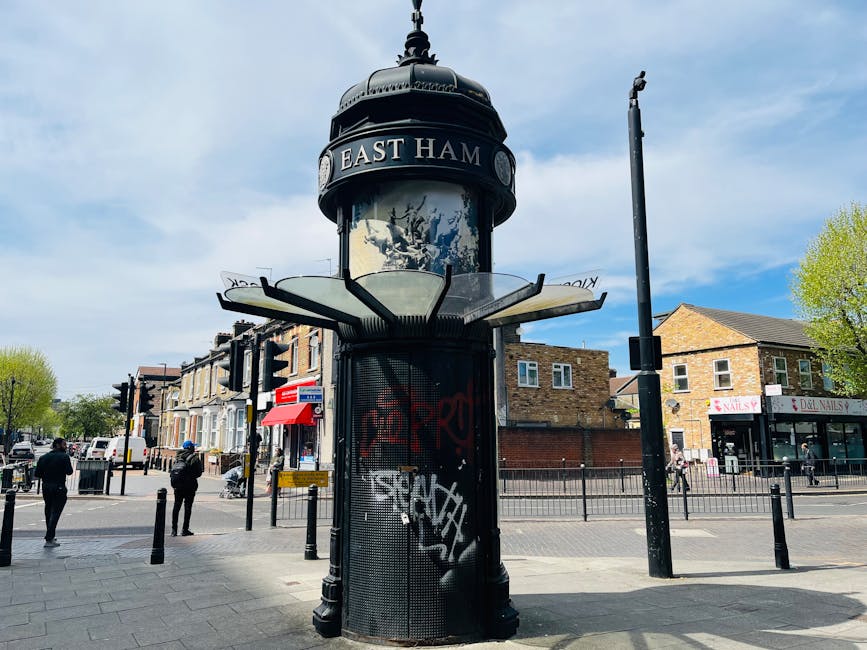
If you are staring at an old sofa, a broken wardrobe, a mattress that has had its day, or a stack of mixed household items near Green Street, you are probably looking for the simplest way to clear it without stress. This Green Street bulky waste pickup guide -- West Ham E6 is here to make that feel manageable. Not fancy. Just clear, practical, and local.
Bulky waste is one of those jobs that seems easy until you are halfway through it and realise the items are too heavy, too awkward, or too many for a normal car boot. Add London parking, narrow streets, and the usual weeknight rush, and, well, it can get messy fast. The good news? With the right plan, you can sort it properly, keep things safe, and avoid the kind of last-minute scramble that always seems to happen on a wet Tuesday evening.
This guide explains what bulky waste pickup actually means in West Ham E6, how the process usually works, what to check before booking, and how to choose the right removal approach for your situation. You will also find a useful checklist, a comparison table, and a few practical tips that can save time, money, and a bit of sanity.
- Why Green Street bulky waste pickup guide -- West Ham E6 Matters
- How Green Street bulky waste pickup guide -- West Ham E6 Works
- Key Benefits and Practical Advantages
- Who This Is For and When It Makes Sense
- Step-by-Step Guidance
- Expert Tips for Better Results
- Common Mistakes to Avoid
- Tools, Resources and Recommendations
- Law, Compliance, Standards, or Best Practice
- Options, Methods, or Comparison Table
- Case Study or Real-World Example
- Practical Checklist
- Conclusion
- Frequently Asked Questions
Why Green Street bulky waste pickup guide -- West Ham E6 Matters
Green Street sits in a busy part of East London where homes, flats, shops, and rental properties often generate the kind of waste that does not fit into a normal weekly bin routine. A bulky item can be anything from an armchair or bed base to a dismantled desk, a fridge, or a bundle of old shelving. The issue is not just size. It is the awkwardness, the lifting, and the uncertainty of where everything should go.
For many households in West Ham E6, the biggest challenge is timing. Space is tight. Hallways are narrow. On-street parking is not always kind. If you leave items too long, they start to become an eyesore, then a nuisance, and eventually a safety issue. That is especially true in shared entrances, stairwells, or front gardens where one person's "I'll deal with it later" can quickly become everyone's problem.
Bulky waste pickup matters because it helps you regain space without turning your home into a holding area for furniture that should have left weeks ago. It also matters for safety. Broken timber, rusted fittings, sharp metal edges, and heavy lifting all carry risk. To be fair, nobody needs to throw out a mattress and also end up with a strained back.
There is another angle too: presentation. A clear, tidy property is easier to live in and easier to manage, especially if you are preparing for a move, tenancy change, end-of-let clean, or a renovation. The difference is immediate. You feel it when you walk through the door.
Expert summary: bulky waste pickup is not just about disposal. It is about safety, convenience, access, and getting your space back with the least friction possible.
How Green Street bulky waste pickup guide -- West Ham E6 Works
The exact process depends on whether you are using a specialist removal service, arranging a one-off clearance, or dealing with mixed household waste. In most cases, though, the workflow is straightforward.
First, you identify what needs removing. Then you separate bulky items from general rubbish, make sure anything reusable is not accidentally thrown away, and check whether the items need dismantling. After that, you request a quote or book a collection slot. On the day, the crew arrives, loads the items, and clears the area.
In a place like Green Street, access is a big part of the job. Sometimes a van can park close by. Sometimes it cannot. Sometimes the items are on the first floor, and sometimes they are tucked away in a loft or at the back of a garden shed that has not been opened in years. Those details matter because they affect time, lifting effort, and the plan for removal.
If you are using a professional clearance provider, they will usually ask for details such as:
- what items need removing
- how many rooms or areas are involved
- whether anything needs dismantling
- how easy the access is
- if there are stairs, lifts, or parking constraints
That information helps them estimate labour, vehicle size, and collection time. It also helps avoid surprises on the day, which is always preferable. Nobody enjoys a quote that changes because the wardrobe was secretly built into the wall. Happens more than you would think.
Good bulky waste pickup is usually a mix of planning and practicality. The more clearly you explain the load, the smoother the collection tends to be.
Key Benefits and Practical Advantages
A well-planned bulky waste pickup offers more than convenience. It can genuinely improve how your home, flat, or workspace functions.
1. Faster clearance
Instead of trying to split the job across several weekends, a structured pickup lets you clear everything in one go, or at least in fewer visits. That matters when a room has become unusable or when you are under time pressure.
2. Less physical strain
Bulky items are rarely awkward in a polite way. They are heavy, slippery, and often loaded with sharp corners. A removal plan reduces the amount of lifting you need to do yourself, which is a big deal if you are dealing with stairs, limited mobility, or just a stubborn chest of drawers that clearly hates cooperation.
3. Better household organisation
When old furniture, broken appliances, or miscellaneous clutter leave the property, it becomes much easier to clean, redecorate, or reorganise rooms. You notice it in the small things: easier vacuuming, fewer trip hazards, more floor space, better light.
4. More sensible disposal choices
Not every item should be treated the same way. Some pieces can be reused, some can be broken down for materials, and others need careful handling. A thoughtful bulky waste pickup approach gives you a better chance of sending items to the right destination.
5. Lower stress during moves or renovations
When a move is already noisy, dusty, and slightly chaotic, removing old items early helps you stay in control. It gives the whole project a cleaner start. Truth be told, that alone is worth a lot.
6. Better use of limited space
West Ham homes and flats often need to work hard for every square foot. Freeing up a corner, a hallway, or a spare room can make the property feel more liveable straight away.
Who This Is For and When It Makes Sense
This guide is useful if you live or work around Green Street and need bulky waste removed without turning the process into a weekend-long headache. It is especially relevant for:
- homeowners clearing old furniture before redecorating
- tenants at the end of a tenancy who need to leave a property tidy
- landlords dealing with leftover items after a move-out
- families replacing beds, wardrobes, sofas, or white goods
- small businesses clearing office furniture or storage areas
- people emptying garages, lofts, sheds, or spare rooms
It also makes sense if the items are simply too awkward for a standard bin collection or too heavy to move safely without help. If you have ever looked at a broken sofa and thought, "Right, that is not going in the car," you are in the right place.
There is a difference between waiting for the perfect time and needing the work done properly. If the clutter is blocking access, creating a safety issue, or getting in the way of a project, it is probably time to act sooner rather than later.
For local businesses, bulky waste pickup can also help with stockroom clear-outs, reception upgrades, or replacing old office furniture. If that sounds familiar, services like office clearance and business waste removal may be more appropriate than a simple household clean-up.
Step-by-Step Guidance
If you want the process to run smoothly, it helps to approach it in a clear sequence. Nothing dramatic. Just a sensible order of operations.
- List everything that needs to go. Walk through the property and note the items room by room. Include the obvious pieces and the half-forgotten extras in corners, cupboards, or behind doors.
- Separate bulky waste from reusable items. If something is still in good condition, it may be better to keep, sell, donate, or repurpose it. Once it is gone, it is gone.
- Check access routes. Measure doorways, stairwells, lifts, and hallways if the items are large. In a narrow terrace or flat block, this step saves a lot of guesswork.
- Decide whether dismantling is needed. A bed frame or wardrobe often moves more easily when taken apart. Keep screws, brackets, and fittings in a labelled bag.
- Request a clear quote. Be honest about volume, access, and item type. A good quote depends on accurate information, not optimism.
- Prepare the space. Move smaller objects out of the way, protect floors if needed, and make sure the route to the exit is clear.
- Confirm the collection details. Recheck the day, time, and any parking or access instructions. Small details often decide whether a pickup feels easy or slightly chaotic.
- Do a final sweep. Before the team arrives, make sure nothing has been left behind by mistake. The one item you forget is usually the one item you still wanted.
A quick example: if you are clearing a bedroom after replacing furniture, you might remove the bed first, then the mattress, then the wardrobe contents, then the wardrobe itself. That sequence creates room to move and makes the job less awkward. Simple, but it works.
Expert Tips for Better Results
The best bulky waste jobs are rarely the most dramatic ones. They are the well-prepared ones.
Tip 1: Photograph the items before booking. A few clear photos help show the condition, size, and type of waste. They can also help avoid misunderstandings. One blurry picture of a "small table" that turns out to be a conference desk is nobody's favourite surprise.
Tip 2: Group items by type. Put furniture with furniture, electricals with electricals, and loose bagged waste separately where possible. It makes the load easier to assess and can speed up collection.
Tip 3: Think about access first, not last. The fastest way to complicate a pickup is to leave a bulky item in a room that needs half the furniture moved before it can leave. Plan the path out before the team arrives.
Tip 4: Remove personal items early. Drawers, wardrobes, bedside tables, filing cabinets, and cupboards often hide papers, chargers, keys, or old photos. You do not want to discover them after collection. That is one of those "oh no" moments nobody needs.
Tip 5: Ask about mixed loads. If your clearance includes furniture, general household clutter, and maybe a broken appliance or two, make sure the provider can handle the full mix. Some loads are straightforward. Others are a bit more of a jumble.
Tip 6: Keep safety in mind. Gloves, sturdy shoes, and clear walkways matter. If anything feels too heavy or awkward, stop and rethink the lift. Pride is optional. Back injuries are not worth it.
Tip 7: Book at the right moment. If you are moving, try not to leave bulky waste until the final hour. A bit of timing goes a long way, especially when keys, removals, and cleaning all land on the same day.
Sometimes the smartest thing is simply to get an experienced team involved early rather than trying to wrestle a sofa through a hallway that already looks defeated.
Common Mistakes to Avoid
Bulky waste pickups go wrong for surprisingly ordinary reasons. Most are avoidable.
- Leaving booking too late. A last-minute collection can be stressful, especially if you need time to sort, dismantle, or move items.
- Underestimating item size. A mattress may look manageable until you carry it down stairs. Then the shape starts negotiating with gravity.
- Forgetting access restrictions. Tight staircases, parking issues, and controlled-entry buildings can all affect the plan.
- Not checking what is included. If you have mixed waste, make sure you know whether the service covers the full load or just certain item types.
- Mixing reusable items with waste. Once items are blended together, it becomes harder to sort them properly.
- Leaving small loose items around. People remember the sofa. They forget the lamp, the cable box, the loose screws, the bag of cushions.
- Ignoring safety while lifting. One awkward twist is sometimes all it takes. Not ideal.
A lot of the pain comes from trying to rush what should be a straightforward process. Slow it down at the planning stage, and the removal itself usually feels much easier.
Tools, Resources and Recommendations
You do not need a van full of equipment to prepare for a bulky waste pickup, but a few basic tools can make life easier.
- Work gloves for grip and hand protection
- Strong bin bags or sacks for loose small items
- Tape measure for checking furniture dimensions and access points
- Screwdriver set or hex keys for dismantling beds, wardrobes, and shelving
- Marker pen and labels for keeping parts together
- Phone camera for photos before collection
- Basic cleaning supplies for the final sweep after removal
If you are clearing a larger space, you may also want to look at related services depending on the type of waste. For example, a garage full of mixed items may call for garage clearance, while a full house project may be better suited to house clearance or home clearance. Furniture-specific jobs can often be handled through furniture clearance or furniture disposal.
For a sense of how a company handles jobs more broadly, it can also be useful to review pages such as recycling and sustainability and insurance and safety. Those pages help you understand how a provider thinks about responsibility, not just removal.
Law, Compliance, Standards, or Best Practice
When dealing with bulky waste, it is wise to stay within accepted UK waste-handling best practice. The main thing to remember is simple: waste should be collected, transported, and disposed of responsibly by a provider that understands its obligations. You should not hand over items to anyone who seems vague about where the waste goes or how it is handled.
For householders, the practical standard is common sense backed by care. Separate reusable items where possible, avoid leaving waste in communal areas, and make sure access is safe for anyone carrying heavy objects. For landlords and businesses, the duty of care becomes even more important because your waste trail, paperwork, and chosen contractor all matter.
It is also worth thinking about hazards. Some bulky items may include broken glass, sharp metal, electrical components, or contamination from damp and mould. In those cases, safe handling matters more than speed. A responsible approach is better than an overconfident one.
If you are arranging commercial removal, ask how the provider manages loading, transport, and segregation. A professional service should be able to explain its process clearly without sounding evasive. If the explanation is messy, that is usually a sign to pause.
Best practice is not complicated: honest descriptions, safe lifting, proper disposal routes, and respect for shared spaces. Not glamorous, but it works.
Options, Methods, or Comparison Table
There is more than one way to deal with bulky waste in West Ham E6. The right option depends on urgency, item size, access, and how much effort you want to put in yourself.
| Option | Best for | Advantages | Trade-offs |
|---|---|---|---|
| Self-clearance | Small loads, easy access, low urgency | Maximum control, possible savings | Manual labour, transport needed, time-consuming |
| Specialist bulky waste pickup | Large items, mixed loads, awkward access | Faster, safer, less lifting | Cost depends on load size and labour |
| Full house or flat clearance | Moves, probate, major decluttering, end-of-tenancy | Comprehensive, efficient, good for multiple rooms | More coordination required |
| Item-specific furniture disposal | Single sofa, bed, wardrobe, or chair | Focused and straightforward | Less suitable for mixed or larger jobs |
If your job is just one awkward sofa and a bed frame, a targeted collection may be enough. If the whole flat needs clearing, you may be better off looking at a broader service like flat clearance or even loft clearance if the items are tucked away upstairs or in storage.
The real question is not "which option is cheapest?" It is "which option will actually solve the problem without creating three new ones?" That is the one worth asking.
Case Study or Real-World Example
Here is a realistic example from the kind of job that comes up all the time in West Ham E6.
A resident on Green Street had a spare room that slowly turned into a storage space. A broken wardrobe, two old dining chairs, a mattress, a small desk, and several bags of mixed clutter had built up over months. The room was still technically usable, but only if you were willing to step sideways around everything. Not exactly ideal.
The first step was to sort what could be kept. A box of paperwork was moved aside, a lamp was saved, and some accessories were offered to family. Then the larger items were assessed for access. The wardrobe was partially dismantled, the mattress was carried separately, and the loose clutter was bagged and grouped. Because the hallway was narrow, floor space near the front door was cleared first so the route out stayed open.
The result was simple but satisfying. The room felt bigger immediately, the property looked tidier, and the resident no longer had to live with a half-finished project looming over everyday life. There was also less dust, which is one of those small wins you really notice after the clear-out.
What helped most was not brute force. It was planning. A tidy sequence, a clear list, and a sensible approach to access made the job far easier than trying to improvise at the door. That, more than anything, is the lesson.
Practical Checklist
Use this checklist before your bulky waste pickup. It keeps the job calm and keeps you from forgetting something obvious at the last minute.
- List every bulky item that needs removing
- Decide what can be reused, donated, or kept
- Measure large furniture if access looks tight
- Check whether items need dismantling first
- Clear the route from the item to the exit
- Separate personal belongings from waste
- Group similar items together where possible
- Take photos for reference before collection
- Confirm parking or access instructions if needed
- Make sure the pickup day and time are clear
- Keep children and pets away from the work area
- Do a final room check before the team arrives
If you are handling multiple areas, repeat the list room by room. It sounds basic, and it is. But basic things done properly save a lot of grief later.
Get a free quote today and see how much you can save.
Conclusion
A good bulky waste pickup in Green Street, West Ham E6 should feel straightforward, not overwhelming. When you know what is being removed, how access works, and what the right disposal method is, the whole job becomes much more manageable. You do not need to guess your way through it, and you definitely do not need to drag heavy furniture around twice.
Whether you are clearing a single item, preparing for a move, or sorting a full room that has collected too much over time, the best results usually come from a simple mix of planning, honesty, and the right help. Keep the route clear, be realistic about item size, and choose the approach that makes the least mess for your day.
If you want your property to feel lighter, tidier, and easier to live in, this is one of those jobs where taking action pays off quickly. And once it is done, you really do notice the difference. The room feels calmer. The air feels a bit freer. Small thing, maybe, but a good one.
Frequently Asked Questions
What counts as bulky waste in West Ham E6?
Bulky waste usually means items that are too large, heavy, or awkward for standard bin collections. Common examples include sofas, mattresses, wardrobes, desks, chairs, and large mixed household items.
Can I leave bulky waste outside for pickup?
Only if you have arranged a collection and the items are placed where the service expects them to be. In shared areas or on pavements, leaving items out without a proper plan can create a nuisance or safety issue.
Do I need to dismantle furniture before collection?
Not always, but dismantling can make removal much easier, especially for wardrobes, beds, and shelving. If you can safely take something apart, it often saves time and reduces the risk of damage.
How do I prepare for a bulky waste pickup?
Start by listing the items, clearing access routes, removing personal belongings, and grouping waste by type. A quick photo set can also help the provider understand the job before arrival.
Is a bulky waste pickup better than hiring a skip?
It depends on the job. A pickup can be better for heavy furniture, awkward access, and mixed loads where you want someone else to do the lifting. A skip can suit longer projects with ongoing waste, but it needs more space and more loading work from you.
What if my bulky waste is mixed with general rubbish?
Mixed loads are common, but they should be described clearly when you book. The provider needs to know whether the job involves furniture, bagged clutter, electrical items, or other materials so they can plan properly.
Can bulky waste include old office furniture?
Yes, it often can. Desks, chairs, filing cabinets, and storage units are all common clearance items. For larger business jobs, a more specific service such as office clearance may be the better fit.
How do I know if my items can be reused instead of removed as waste?
If the items are still in usable condition, consider keeping them, donating them, or passing them on where appropriate. Good-quality furniture often has more life left in it than people assume, though damaged or unsafe pieces should not be kept around just for hope's sake.
What should I check before booking a bulky waste collection?
Check the item list, access, stairs, parking, the need for dismantling, and whether the provider handles the type of waste you have. Getting these details right upfront makes the whole process smoother.
Is bulky waste pickup suitable for flat clearances?
Yes, especially when the job involves multiple large items or a full property clear-out. If you are clearing a flat, a service like flat clearance may be more efficient than booking several separate collections.
What happens to the items after collection?
That depends on the provider and the condition of the items. Some may be reused, some recycled, and some disposed of through appropriate waste routes. It is sensible to ask how a company approaches sorting and responsible handling.
Can I book bulky waste pickup for a single item?
Yes, many people do. A single sofa, mattress, or wardrobe can be enough reason to book a collection, especially if you do not have the means or time to move it yourself.
What is the biggest mistake people make with bulky waste?
The most common mistake is underestimating access and item size. The job looks simple until you realise the item will not fit through the doorway the way you imagined. A quick check before booking avoids that headache.
How can I make the pickup day less stressful?
Prepare early, keep the access route clear, and have everything grouped and ready before the team arrives. A calm setup makes a big difference. Honestly, half the battle is just removing the clutter before the removal starts.