Same-day vs scheduled rubbish collection in West Ham
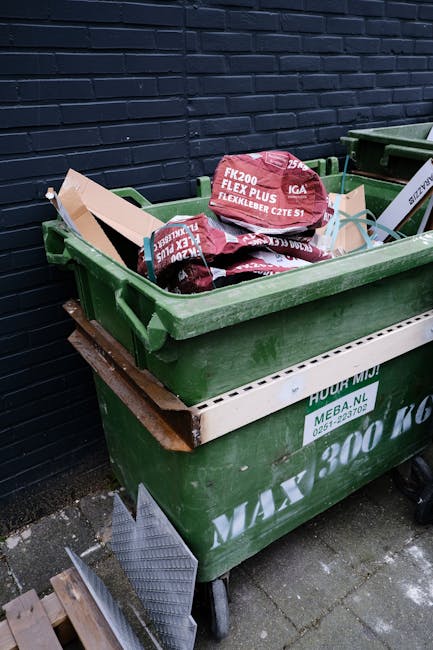
If you are staring at a growing pile of waste and wondering whether to book a same-day pickup or arrange something for later, you are not alone. The choice sounds simple, but in practice it can affect cost, stress levels, access, and even how smoothly your day runs. This guide on same-day vs scheduled rubbish collection in West Ham breaks down the differences in plain English, with a local, practical angle that helps you decide fast.
West Ham has the same mix of busy homes, flats, small businesses, builders, and landlords you see across much of East London. That means waste collection needs vary a lot. Sometimes you need the space cleared today because a move-out is happening, a tenant has left belongings behind, or renovation debris is blocking access. Other times, a scheduled collection is the calmer, more cost-effective choice. Both can be the right answer. The trick is knowing which one suits your situation.
Below, you will find a clear comparison, step-by-step guidance, useful checklists, and a few honest tips from the sort of real-world situations people run into all the time. Nothing overcomplicated. Just a proper way to make the call.
Why Same-day vs scheduled rubbish collection in West Ham Matters
Waste removal is one of those jobs that feels minor right up until it becomes urgent. Then it is suddenly the thing holding up a handover, a redecoration, or your weekend plans. In West Ham, where space can be tight and parking even tighter, timing matters more than people expect. A missed slot can mean a cluttered hallway, an unhappy neighbour, or a job delayed by a day that already felt too short.
The same-day option is all about speed and disruption control. The scheduled option is about planning, flexibility, and often a more relaxed pace. If you only need a couple of items moved, the difference may not seem dramatic. But once you are dealing with bulky furniture, mixed household rubbish, builders' waste, or business clear-outs, the timing can shape the whole experience.
There is also a practical side that people often overlook. A rushed collection can be perfect for an emergency, but if the team arrives before you have sorted what stays and what goes, you can end up making rushed decisions. And let's face it, that old sofa may look less annoying in the morning than it does at 4pm when you are trying to clear a room by tonight.
For many people, the question is not "which is better?" It is "which is better for this exact mess, on this exact day?" That is the right question.
How Same-day vs scheduled rubbish collection in West Ham Works
At a basic level, both options do the same job: a collection team removes unwanted items, loads them safely, and takes them away for sorting, disposal, recycling, or reuse where possible. The difference is in timing and preparation.
Same-day rubbish collection
Same-day collection is usually used when the waste needs to go quickly. You contact the provider, explain what needs removing, share a few photos if requested, and ask whether they can attend on the same day. If there is availability and access works, the collection is arranged for later that day. Simple enough in theory, though traffic, parking, and job size can affect timing.
This option is handy when time is the real problem. Think end-of-tenancy clear-outs, urgent office changes, broken furniture blocking a room, or builders needing debris removed to keep a project moving. The job is often assessed quickly, sometimes with a rough quote based on volume, item type, and labour required.
Scheduled rubbish collection
Scheduled collection gives you a planned slot in advance. That could be for later in the week, next week, or whenever suits the job. You get time to sort materials, separate reusable items, and make sure access is ready. For larger clearances, this tends to feel calmer and, in many cases, more efficient.
It is especially useful when you know the waste is coming but it is not urgent. Maybe you are clearing a garage over the weekend, emptying a loft in stages, or planning a full house clearance after a renovation. You can line everything up properly rather than making a last-minute scramble around the hallway at 7:30 in the morning.
What usually happens on the day
In both cases, a good collection starts with the details. The provider needs to know what is being collected, whether anything is especially heavy, if the waste is in a flat, basement, top floor, garden, or office, and whether parking or access may be tricky. A few clear photos can save a lot of back-and-forth.
Once on site, the team will normally confirm the load, remove the waste, and tidy the area as they go. If anything changes from the original description, the price or time needed may change too. That is normal. It is not being awkward; it is just the reality of waste jobs.
Key Benefits and Practical Advantages
Each option has strengths. The best choice depends on what you are trying to protect: time, money, convenience, or headspace.
Why same-day collection can be the better choice
- Speed: ideal when waste is causing a blockage, safety concern, or deadline issue.
- Less disruption: useful if you want the job cleared before visitors, handovers, or trades arrive.
- Stress relief: once the waste is gone, the room feels usable again. That alone can make a big difference.
- Great for emergencies: broken furniture, storm damage, last-minute move-outs, or sudden office clearances.
Why scheduled collection often makes more sense
- Better preparation: you can sort items properly and avoid accidental disposal of things you still need.
- More flexible for larger jobs: full clearances often need a bit of planning.
- Often easier on the day: you can clear access, reserve parking where possible, and reduce delays.
- Useful for ongoing projects: especially if you are clearing room by room or phase by phase.
One of the less obvious benefits of scheduling is emotional. It gives you time to decide. That matters more than people think. A rushed clear-out can be efficient, yes, but a planned one often leads to better sorting, fewer regrets, and less waste ending up in the wrong pile.
If the items include furniture you may want to reuse or pass on, it can also help to review furniture clearance options and furniture disposal guidance before collection day. That small bit of planning can save time later.
Who This Is For and When It Makes Sense
This choice comes up in more situations than most people expect. You may be looking at one item, or an entire property. Different circumstances point to different timing.
Same-day collection tends to suit:
- people moving out at short notice
- landlords needing rapid property turnaround
- businesses clearing urgent clutter before trading hours
- builders needing waste removed to keep a site moving
- households dealing with a sudden bulky item that is just in the way
Scheduled collection tends to suit:
- full or partial home clearances
- garage, loft, and garden clear-outs
- office decluttering and planned refurbishments
- mixed waste that needs sorting before collection
- customers who want a calmer, more organised process
In West Ham, flats and shared access can make timing especially important. If you live in a building with narrow staircases, controlled entry, or limited kerbside space, a scheduled collection often gives you more control. That said, if a sofa is wedged in the living room and the hallway looks like a storage unit, same-day starts sounding pretty attractive, doesn't it?
For larger domestic jobs, it can help to think about whether the clearance is part of a wider project. If so, related services such as home clearance, house clearance, flat clearance, or loft clearance may be more relevant than a simple one-off pickup.
Step-by-Step Guidance
If you are unsure how to choose, use this process. It keeps the decision grounded in practical reality rather than guesswork.
- Identify the urgency. Ask yourself whether the waste must be removed today, this week, or simply before a future date.
- Check what is actually going. Separate bulky furniture, household rubbish, garden waste, builders' debris, and anything that may need special handling.
- Review access. Note stairs, lifts, loading bays, parking limits, narrow entrances, or shared hallways.
- Take clear photos. Wide shots help most, especially when there is a mix of items.
- Ask about timing and slot length. Same-day collections may be quicker to book, but the job still needs proper time on site.
- Confirm what is included. Ask how lifting, loading, and sorting are handled so there are no surprises.
- Prepare the space. Move personal items aside, keep pets safe, and make the route to the waste as clear as possible.
- Check the finish. Once the team leaves, walk through the area and make sure nothing important has been taken by mistake.
A tiny bit of prep saves a lot of faff. I know that sounds obvious, but you would be surprised how many collections run late because the pile is still half hidden behind a wardrobe or there is no parking spot sorted. One clear morning can feel very different from a chaotic afternoon.
Expert Tips for Better Results
If you want the process to go smoothly, these are the habits that usually make the biggest difference.
- Be specific about volume. "A few items" can mean almost anything. Mention the number of bags, appliances, or furniture pieces if you can.
- Tell the truth about access. If the waste is on the fourth floor with no lift, say so. Nobody enjoys surprise stairs.
- Group similar items together. It helps the collection team work faster and keeps your own sorting clearer.
- Keep valuables and documents separate. This matters most in office and home clearances where small items get overlooked.
- Plan around neighbours. In a shared building, a little courtesy goes a long way.
- Ask how mixed loads are handled. Different materials may be sorted differently, especially if recycling is part of the process.
Another useful habit is to think in zones. Put keep, donate, recycle, and remove into separate groups before the team arrives. It sounds basic, but it can transform a messy clearance into something that feels controlled. And in a small West Ham flat, every square foot of floor space counts.
If your project includes outdoor or trade waste, you may also want to look at builders waste clearance or garden clearance, depending on the source of the rubbish. Matching the service to the waste type usually leads to better results.
Common Mistakes to Avoid
The biggest problems are rarely dramatic. More often, they are little assumptions that snowball.
- Choosing same-day without checking access. If the team cannot park nearby or reach the items easily, the job slows down.
- Underestimating the amount of waste. A pile that looks manageable from one angle can fill a van surprisingly fast.
- Leaving sorting until the last minute. That is how useful items end up mixed with rubbish. Annoying, that.
- Forgetting about lift restrictions, building rules, or loading limits. These details matter a lot in flats and office buildings.
- Not confirming the exact items. A mattress, fridge, or mixed load may affect timing and handling.
- Booking too early without preparation. If the space is not ready, even a scheduled pickup can become messy.
There is also a psychological mistake: assuming you need the fastest option just because the pile looks bad right now. Sometimes you do. But sometimes a scheduled collection gives you enough breathing room to make better decisions, save money, and avoid regret. Not always glamorous, but very sensible.
Tools, Resources and Recommendations
You do not need much to make a waste collection go well, but a few simple tools help.
- Phone camera: take wide and close-up photos of the waste.
- Notes app or checklist: list what is staying and what is going.
- Measuring tape: useful if bulky furniture or appliances need moving through tight spaces.
- Boxes or labels: good for separating documents, small electronics, or reusable items.
- Bin bags and gloves: sensible for tidying loose waste before collection day.
For people comparing broader clean-up options, pages on waste removal and pricing and quotes can be helpful starting points. If you want to understand the business side of the service as well, business waste removal and office clearance are useful for commercial jobs, while furniture clearance is better when the main issue is bulky household items.
If you care about what happens after collection, it is worth reading about recycling and sustainability. A responsible collection service should not treat everything as the same. Sorting and reuse matter, even if the process happens out of sight.
Law, Compliance, Standards, or Best Practice
Waste collection in the UK is not just a matter of getting things out the door. There are legal and practical responsibilities around storage, transport, and disposal. You do not need to become a compliance specialist, but it helps to work with a service that understands the basics and handles waste responsibly.
As a customer, your main job is to describe the waste honestly, avoid leaving hazardous or restricted items mixed in with general rubbish, and use a provider that follows sensible handling procedures. In practice, that means clear communication, safe lifting, appropriate vehicles, and proper disposal routes. No mystery, no shortcuts.
For trade, landlord, or commercial users, this becomes even more important. Mixed waste from refurbishments, stripped-out offices, or end-of-lease clearances should be managed carefully. Health and safety matters too. Keep pathways open, use good lifting practice, and make sure the load does not create a hazard for workers, residents, or passers-by.
If you want extra reassurance on company standards and process, it can be sensible to review pages like health and safety policy, insurance and safety, terms and conditions, and complaints procedure. These pages do not replace common sense, of course, but they do give a clearer picture of how the service is run.
For customers who value transparency, about us, payment and security, and privacy policy are also useful when you want to understand how a business handles trust, communication, and payment details.
Options, Methods, or Comparison Table
Here is a straightforward comparison to help you weigh up the two choices.
| Factor | Same-day collection | Scheduled collection |
|---|---|---|
| Speed | Fastest option when availability allows | Slower, but planned in advance |
| Best for | Urgent clearances, last-minute jobs, blocked spaces | Planned house, office, loft, garage, or garden clearances |
| Preparation time | Limited | More time to sort, label, and organise |
| Stress level | Lower once booked, but can feel rushed beforehand | Usually calmer overall |
| Access issues | Can be awkward if parking or entry is difficult | Easier to plan around access restrictions |
| Value | Worth it for urgency | Often better when urgency is low |
In short: same-day is about solving a problem now. Scheduled is about solving it well. Neither is "better" in every case. The right answer depends on your timing, your access, and how much sorting you want to do first.
Case Study or Real-World Example
Picture a small flat in West Ham on a damp Thursday morning. There is a broken wardrobe in the hallway, two bin bags of mixed clutter, and a sofa that has been living there far too long. The tenant is due to hand the keys back the next day. There is no time for a leisurely tidy-up. In that kind of situation, same-day rubbish collection is the obvious fit. You want the space cleared, the route opened, and the flat ready to hand over without a last-minute panic.
Now compare that with a family doing a weekend clear-out before redecorating. The loft needs sorting. The garage is full of old sports gear, boxes, and furniture that may still be useful. Nothing is urgent, but there is a lot to decide. A scheduled collection works better here because the family can sort items over a couple of days, keep the good stuff aside, and avoid throwing out things they later wish they had kept. Small difference, big result.
That is the real pattern behind the choice. Urgency pushes you toward same-day. Organisation pushes you toward scheduled. Most jobs are not about the label on the service. They are about the rhythm of the day around it.
Practical Checklist
Use this before you book, and you will avoid most of the common headaches.
- Have you decided how urgent the collection really is?
- Have you listed every item or waste type that needs removing?
- Have you checked whether access is easy enough for loading?
- Have you separated keep, recycle, donate, and remove piles?
- Have you taken clear photos of the waste?
- Have you made sure pets, children, and personal items are out of the way?
- Have you thought about parking or building restrictions?
- Have you read the provider's terms, payment details, and safety information?
- Have you considered whether the waste is domestic, trade, office, or garden related?
- Have you chosen the timing that best fits your actual situation, not just your initial instinct?
If you can tick most of those off, you are in good shape. Honestly, the difference between a smooth collection and a frustrating one is often just a few minutes of prep.
Get a free quote today and see how much you can save.
Conclusion
Choosing between same-day and scheduled rubbish collection in West Ham is really about matching the service to the reality in front of you. If the waste is blocking access, creating stress, or standing in the way of a deadline, same-day is usually the most practical choice. If the job is larger, more mixed, or better handled with a bit of breathing room, scheduling is often the smarter move.
The best decision is the one that makes your day easier, not harder. That might sound obvious, but when a room is packed with bags, furniture, and that one awkward item nobody wants to touch, obvious can be surprisingly useful. Take a moment, think about the access, and choose the option that fits the job rather than fighting it.
And once the space is clear, that quiet feeling that follows is hard to beat. A fresh room. A proper floor. A bit of peace. Sometimes that is the real win.
Frequently Asked Questions
What is the main difference between same-day and scheduled rubbish collection in West Ham?
Same-day collection is arranged for the day you contact the provider, subject to availability. Scheduled collection is booked for a later date and gives you more time to prepare.
Is same-day rubbish collection always more expensive?
Not always, but it can be priced differently because of urgency and availability. The best approach is to ask for a clear quote based on the actual waste and access details.
When is scheduled rubbish collection the better choice?
Scheduled collection is usually better for larger clear-outs, mixed waste, planned moves, refurbishments, and situations where you want time to sort items properly.
Can I book same-day rubbish collection for a flat in West Ham?
Yes, if access works and there is availability. Flats can be perfectly suitable, but details like stairs, lifts, parking, and building rules matter a lot.
What should I tell the collection team before they arrive?
Explain what needs removing, how much there is, where it is located, and whether there are any access issues. Photos help a lot and can prevent delays.
Do I need to sort my rubbish before collection?
It helps, especially if you want a smoother job. Sorting keep, recycle, donate, and remove piles can save time and reduce mistakes. It is not always mandatory, but it is very useful.
Is same-day collection suitable for builders' waste?
It can be, depending on the amount and the site access. For construction debris, builders waste clearance is often the most relevant service to consider.
What if I only have one bulky item to remove?
That is often ideal for a quicker collection. Bulky furniture, old appliances, or a single broken item can usually be handled without needing a full scheduled clearance.
How do I know if I should book waste removal or a more specific service?
If the waste is general and mixed, waste removal may be the broadest fit. If it is mainly furniture, garden debris, office contents, or household items, a more specific service may make more sense.
What can cause delays on collection day?
Common causes include poor access, traffic, unclear instructions, waste spread across multiple rooms, or the job being larger than first described. A bit of preparation usually prevents most of this.
How do I make sure the service is trustworthy?
Check the provider's public information, including about us, terms and conditions, health and safety policy, and recycling and sustainability. Clear policies are a good sign, and so is straightforward communication.
Can scheduled collection still be quick if I need it soon?
Yes. Scheduled does not always mean far in advance. Sometimes it simply means booking the next available slot that suits you better than a same-day call-out.
What is the best first step if I am undecided?
Take a few photos, list the items, check your access, and ask for a quote with both same-day and scheduled options if available. Once you see the difference clearly, the choice usually becomes much easier.
Where can I learn more about booking and payment details?
Useful supporting pages include pricing and quotes, payment and security, and contact us if you want to ask about a specific job.